
Synthetic Surfaces Engineered for Drainage and Heat
Artificial turf installation in Houston for flooding damage to natural grass and heat retention that makes outdoor surfaces unusable
Natural grass drowns in saturated clay soil after tropical storms, summer heat creates surface temperatures exceeding one hundred thirty degrees on standard synthetic turf, and inadequate drainage leaves standing water for days after heavy rain. Houston's Pro Services installs premium synthetic grass systems in Houston using heat-resistant turf materials and engineered drainage bases that handle seasonal rainfall volumes reaching six inches in twenty-four hours. Properties need this installation when natural grass fails repeatedly in poorly drained areas, when play surfaces become unusable after every storm, or when maintenance costs exceed acceptable levels for commercial landscapes.
Professional artificial turf installation addresses Houston's climate challenges by excavating existing soil to create proper drainage gradients, installing aggregate base layers that allow rapid water infiltration, and selecting synthetic grass products with heat-reflective backing that reduces surface temperatures fifteen to twenty degrees below standard materials. Climate-specific expertise includes understanding how clay soil compaction affects drainage performance and sizing perimeter drains to handle stormwater volumes that overwhelm inadequate systems.
Request an artificial turf consultation to evaluate drainage requirements and review heat-resistant material options for your installation area.
What Proper Artificial Turf Installation Requires
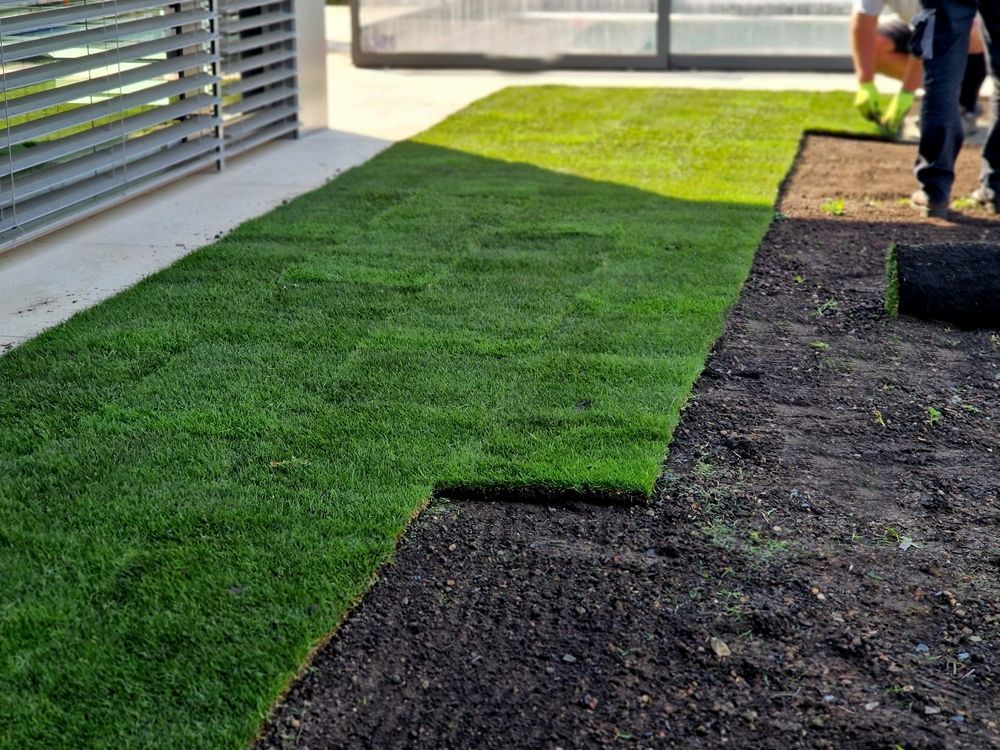
Correct installation involves removing four to six inches of existing soil, compacting a crushed stone base in two-inch lifts to prevent future settling, and incorporating drainage fabric that separates aggregate from underlying clay while allowing water flow. Professional installers position seams perpendicular to viewing angles to minimize visibility, secure edges with commercial-grade stakes spaced to prevent lifting during storms, and add infill materials that stabilize turf fibers while improving drainage performance. Houston climate experience means anticipating how heavy seasonal rainfall affects base preparation and selecting turf backing that resists mold growth in humid conditions.
After Houston's Pro Services completes installation, your synthetic grass surface drains within thirty minutes following heavy storms rather than pooling water for hours, remains cool enough for barefoot use even during afternoon heat because heat-resistant materials reflect rather than absorb solar radiation, and maintains consistent appearance without the brown patches and mud areas that develop in natural grass. Play areas stay accessible immediately after rain, pets use the space without tracking mud indoors, and the surface requires only occasional rinsing to remove debris rather than weekly mowing and seasonal reseeding.
Premium artificial turf systems include antimicrobial infill that prevents odor development in pet areas, UV-resistant fibers that maintain color through intense summer sun exposure, and warranties covering drainage performance for eight to ten years. Installation scope excludes landscape edging and irrigation system removal, which require separate coordination if needed.
Common Questions About This Service
Property owners considering synthetic grass typically ask about drainage capacity during storms and heat management during summer months.
What artificial turf materials handle Houston heat best?
Premium synthetic grass with heat-reflective backing and lighter color tones maintains surface temperatures fifteen to twenty degrees cooler than standard materials, while infill products containing cooling additives further reduce heat retention on surfaces receiving direct afternoon sun.
How does artificial turf drainage compare to natural grass in heavy rain?
Properly installed synthetic turf with aggregate base layers drains faster than natural grass in clay soil because water infiltrates through turf backing and percolates through stone base rather than saturating compacted clay that sheds water slowly.
When should properties choose artificial turf over natural grass?
Install synthetic grass in high-traffic areas where natural grass dies from compaction, in poorly drained sections where standing water kills grass roots, in shaded areas under trees where grass won't grow, or where maintenance reduction justifies installation investment.
Why do some artificial turf installations develop drainage problems?
Inadequate base excavation, insufficient aggregate depth, missing perimeter drains, or failure to create proper gradients causes water to pool on turf surfaces because Houston's clay soil prevents lateral drainage that installers assume will occur naturally.
What maintenance does artificial turf require in this climate?
Rinse surfaces monthly to remove pollen and organic debris, brush high-traffic areas quarterly to restore fiber position, inspect drainage performance after major storms, and add infill material every two to three years as rainfall gradually moves particles toward drainage edges.
Houston's Pro Services provides professional artificial turf installation with climate-specific drainage design and heat-resistant material selection. Schedule a site assessment to measure drainage requirements and discuss synthetic grass options engineered for Houston's seasonal rainfall and summer temperatures.