Cleaning Methods for Humid Climate Growth
Pressure washing services in Houston for properties dealing with rapid mold and mildew accumulation
Mold and mildew growth accelerates in Houston's humidity, creating visible staining on exterior surfaces within months of previous cleaning. You're seeing black streaks on siding, green algae on driveways, and dark patches on fences because moisture levels above 60 percent create ideal conditions for organic growth that standard pressure washing temporarily removes without preventing recurrence. Houston's Pro Services provides pressure washing services in Houston that combine surface cleaning with mold prevention treatments formulated for the Gulf Coast climate, extending the time between cleanings by addressing the humidity conditions that cause rapid regrowth on exterior building materials and hardscapes.
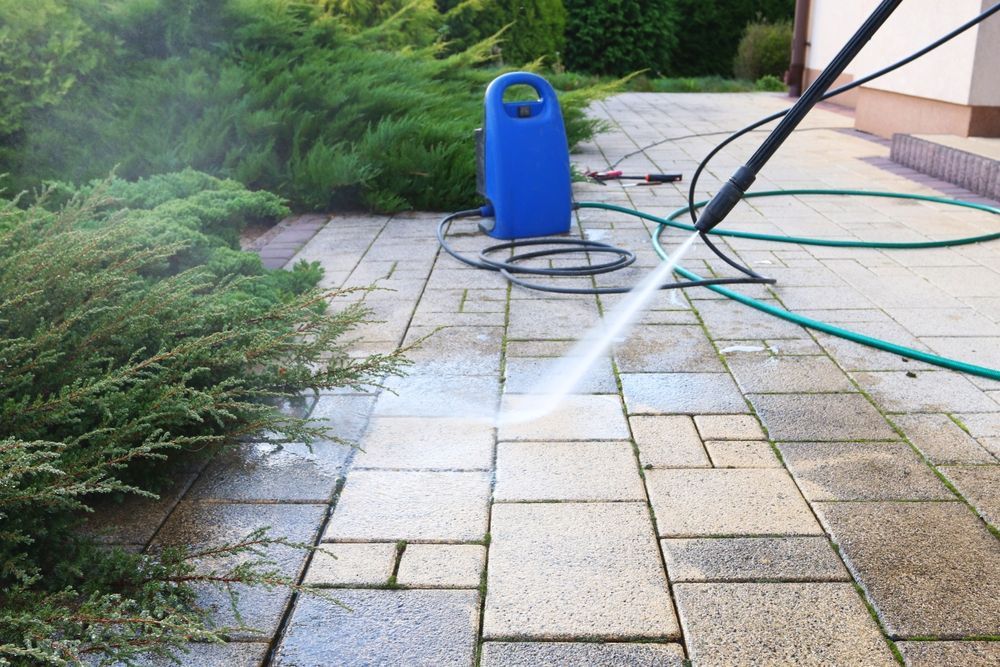
The cleaning process uses pressure settings and nozzle configurations matched to surface materials, preventing damage to wood, stucco, and composite materials while removing embedded growth. Treatment solutions applied after pressure washing contain fungicides that inhibit mold spore germination, slowing the regrowth cycle that typically begins within weeks in untreated high-humidity environments.
Arrange an exterior assessment to review cleaning requirements for your specific surface materials.
How Humidity-Specific Cleaning Addresses Growth Patterns
Effective exterior cleaning in this climate requires understanding which surfaces need soft washing with chemical treatment versus high-pressure water cleaning. Houston's Pro Services evaluates surface porosity and material composition before selecting pressure levels and cleaning solutions. Vinyl and aluminum siding receives soft wash treatment with surfactants that break down organic growth without forcing water behind panels, while concrete and masonry surfaces handle higher pressure that removes embedded staining from years of mold accumulation.
After cleaning and treatment application, you'll notice exterior surfaces show their original color without the black, green, or brown staining that accumulated over previous months. Siding appears uniform rather than displaying the streaking pattern common on shaded walls where moisture lingers longest. Driveways and walkways regain traction because algae films that create slippery surfaces during damp weather are removed along with the spores that would normally recolonize treated areas within weeks.
The service addresses roof cleaning using low-pressure methods that remove algae and moss without damaging shingles or dislodging granules that protect asphalt roofing materials. Gutters and downspouts are cleared of organic debris that traps moisture and promotes mold growth on fascia boards and exterior walls where drainage components attach to building structures.
What Property Owners Usually Ask
Professional exterior cleaning involves equipment settings and treatment methods specific to Houston's humidity and the resulting growth patterns on building surfaces. These answers explain how the process works and what results you should expect.
What causes mold to return so quickly in Houston?
Humidity levels above 60 percent for extended periods create surface moisture that allows mold spores to germinate and establish colonies within weeks, especially on shaded surfaces where air circulation is limited and materials stay damp longer.
How does soft washing differ from pressure washing?
Soft washing uses low-pressure water combined with cleaning solutions that chemically break down organic growth, while pressure washing relies primarily on high-pressure water force to remove surface contaminants through mechanical action alone.
What surfaces need special cleaning methods?
Wood siding, stucco, and painted surfaces require lower pressure settings to prevent damage, while concrete, brick, and stone handle higher pressure needed to remove embedded staining from years of mold and algae accumulation in porous materials.
When should exterior cleaning be scheduled?
Spring or fall scheduling allows surfaces to dry completely after treatment before summer humidity or winter moisture promotes regrowth, with annual cleaning recommended for properties with significant shade or vegetation that creates persistent damp conditions.
What treatment prevents mold from returning?
Fungicide treatments applied after cleaning inhibit spore germination on treated surfaces, extending the period between cleanings from months to a full year in most cases, depending on shade coverage and humidity exposure levels.
Houston's Pro Services handles exterior cleaning with methods and treatments designed for the moisture conditions that accelerate organic growth on building surfaces. Schedule a property cleaning consultation to address mold and mildew issues affecting your exterior materials.