Landscapes That Handle Humidity and Hurricanes
Xeriscape services in Houston for properties balancing drought tolerance with drainage demands
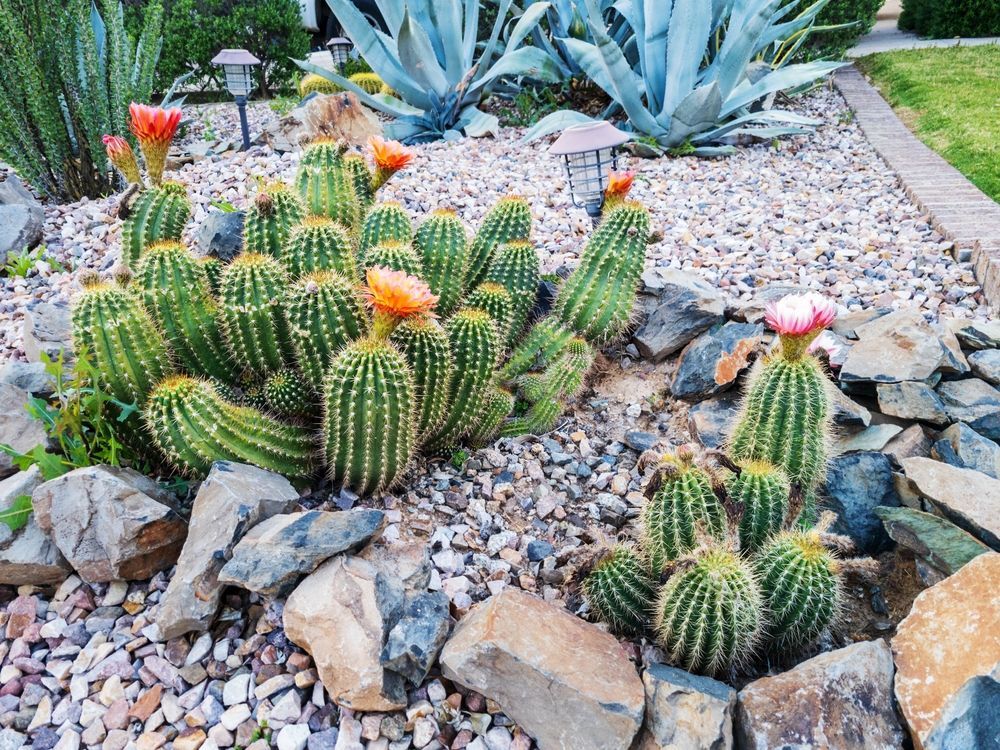
Xeriscaping in Houston requires a different approach than arid-region designs because plants must tolerate both extended dry periods and sudden flooding during hurricane season. You're working with native Texas species adapted to humidity levels and seasonal moisture extremes that standard drought-tolerant plants can't survive. Houston's Pro Services develops xeriscape designs using native plants like Gulf Coast muhly grass, Turk's cap, and inland sea oats that thrive in heat and humidity while requiring minimal supplemental watering once established, combined with drainage features that prevent root rot during heavy rainfall events.
The design process begins with soil testing to determine drainage rates and organic content, then selects plants based on your property's sun exposure, existing drainage patterns, and maintenance preferences. Plant placement follows water-use zones that group species by moisture requirements, reducing irrigation needs while maintaining visual interest through varied textures and seasonal color changes from native flowering species.
Request a detailed estimate based on your property's current landscape conditions.
What Proper Xeriscaping Requires
Sustainable landscape design in this climate involves selecting native Texas plants that handle both drought stress and temporary waterlogging, then amending soil with compost to improve drainage and moisture retention during dry periods. Mulch layers three inches deep reduce evaporation, moderate soil temperature, and suppress weeds that compete for water. Drainage swales and grading adjustments direct stormwater away from plant root zones while allowing controlled infiltration that recharges soil moisture without creating standing water.
Once plants establish root systems over the first growing season, you'll notice reduced watering frequency compared to traditional landscapes while maintaining green coverage through summer heat. Native species attract pollinators and songbirds adapted to local ecosystems, increasing wildlife activity without the pest problems associated with non-native ornamentals. Maintenance requirements decrease because native plants resist diseases and fungal issues that thrive in Houston's humidity, eliminating the need for chemical treatments common in conventional landscaping.
The service includes removing turf areas that demand frequent irrigation and replacing them with native groundcovers or mulched beds that reduce water consumption by up to 50 percent. Hardscape features like decomposed granite pathways provide visual structure while eliminating mowing and irrigation needs in high-traffic areas where grass struggles to survive.
Common Questions About This Service
Sustainable landscaping in Houston involves plant selection and design strategies specific to Gulf Coast conditions. These answers explain how xeriscape methods work in a humid, flood-prone climate.
What makes Houston xeriscaping different from desert designs?
Houston xeriscaping uses native plants adapted to high humidity and seasonal flooding rather than arid-climate species, with drainage features that prevent waterlogging while reducing supplemental irrigation during dry periods.
How do native plants survive both drought and flooding?
Texas native species like inland sea oats and Gulf Coast muhly grass evolved in regions with extreme moisture swings, developing deep root systems that access groundwater during drought and above-ground structures that tolerate temporary inundation.
What soil amendments work best for xeriscape beds?
Compost worked into clay soil improves drainage during heavy rain while increasing water retention during drought, creating conditions where native plants establish quickly and survive seasonal extremes without supplemental irrigation after the first year.
When should xeriscape installation occur?
Fall installation allows plants to establish root systems during cooler months with natural rainfall, reducing supplemental watering needs and preparing plants to handle the following summer's heat and potential drought conditions.
How long before water savings become noticeable?
Water consumption decreases immediately in converted areas, with full savings realized after plants establish over 8 to 12 months and irrigation shifts from weekly supplemental watering to occasional deep watering only during extended drought periods.
Houston's Pro Services designs xeriscape landscapes using native plants selected for local climate conditions and soil characteristics. Arrange a property assessment to review sustainable landscaping options for your specific site conditions.